目錄大綱
Laser cutting services have become the backbone of modern precision manufacturing, driving incredible strides in accuracy, flexibility, and scalability. These cutting-edge systems are redefining what’s possible in machining diverse materials with microscopic tolerances. In this deep dive, we’ll explore how laser cutting technology advances industrial applications globally, impacts economies and societies, and pioneers the future of smarter manufacturing—with precision at its core.
Smarter, Faster Laser Cutting Technology
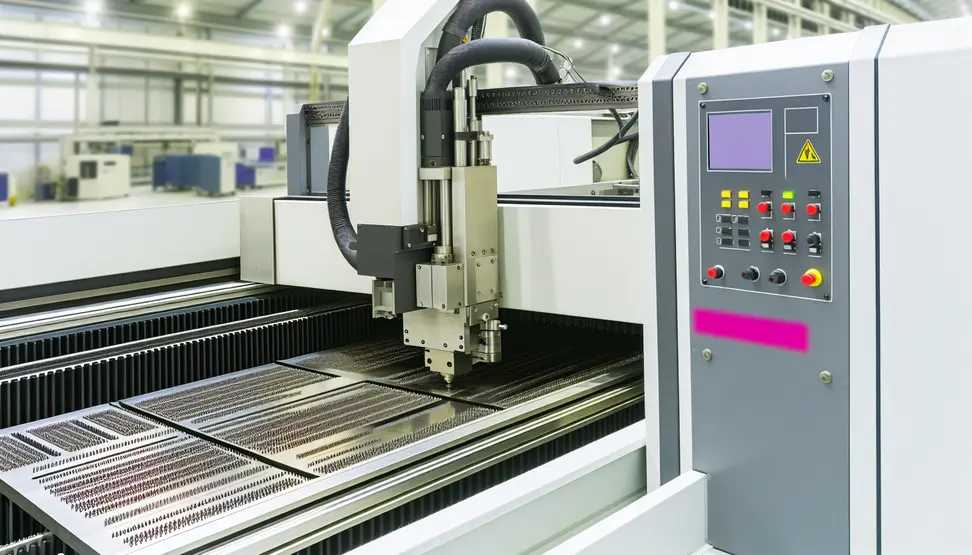
The evolution of laser cutting is nothing short of extraordinary, with innovations led by fiber laser technology propelling this method to new heights. By utilizing rare-earth fibers, these systems generate shorter, ultra-precise beams, striking the optimal balance between power and accuracy. The result? Unparalleled material flexibility and precision, enabling modern machinery to process metals like stainless steel or aluminum with thicknesses up to four times what was previously achievable with traditional lasers.
Precision isn’t just about sharper cuts—it’s about efficiency as well. Fiber lasers deliver superb edge quality, often negating the need for additional post-processing like deburring. Add in smart automation features, such as automatic tool changes, robotic part sorting, and real-time error detection, and you have a streamlined process that reduces costs and turnaround times.
What really sets these systems apart is their holistic design enhancements. Advanced optics amplify cutting force, while cooling systems protect sensitive components. Integrated data management accelerates operations, and triple protection systems enhance both machine durability and operator safety. The bottom line? These innovations are setting new industry benchmarks, shaping the standards for precision manufacturing across the board.
Laser Cutting’s Impact Across Industries
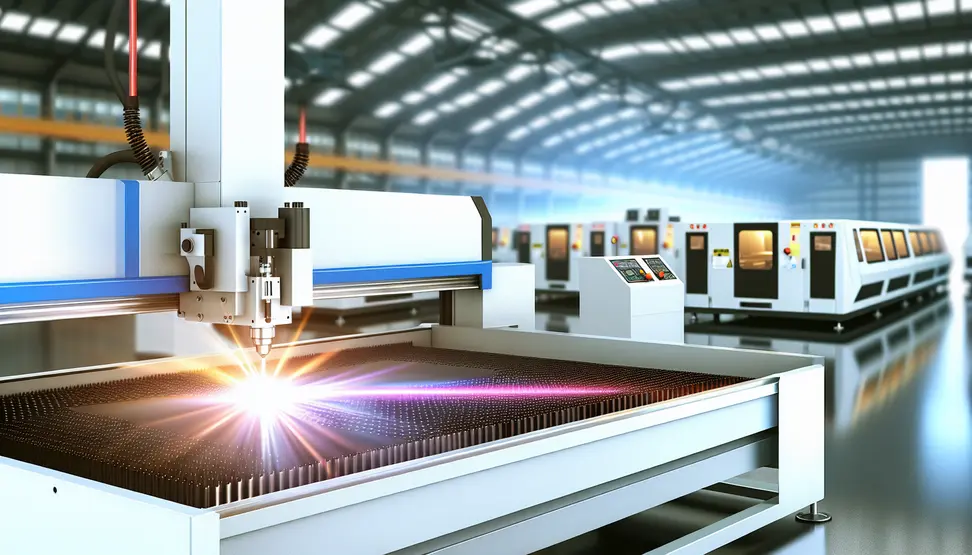
When it comes to real-world applications, laser cutting is everywhere—its versatility is pivotal. In high-stakes industries like automotive, aerospace, and electronics, laser-cut components define product quality. Take the automotive sector, where ultra-precise fiber lasers create lightweight yet durable features essential for fuel efficiency and safety. Similarly, aerospace manufacturers depend on lasers to fabricate intricate alloy parts, ensuring reliability without deformation. For the electronics space, laser cutting helps build intricate circuit boards and delicate semiconductors with unmatched accuracy.
The integration extends well into everyday manufacturing too. Whether it’s creating complex geometries for sheet metal fabrication, crafting ornate consumer goods, or precision-marking electronic cabinets, laser cutting is a foundational tool. Beyond cutting, functions like welding, drilling, and heat treatment enhance its utility. Laser marking and engraving, meanwhile, have become go-to methods for branding and customization. Across industries, especially in Asia-Pacific’s burgeoning manufacturing hubs, this technology has established itself as a linchpin for production optimization.
Beyond Manufacturing: Laser Cutting’s Broader Role
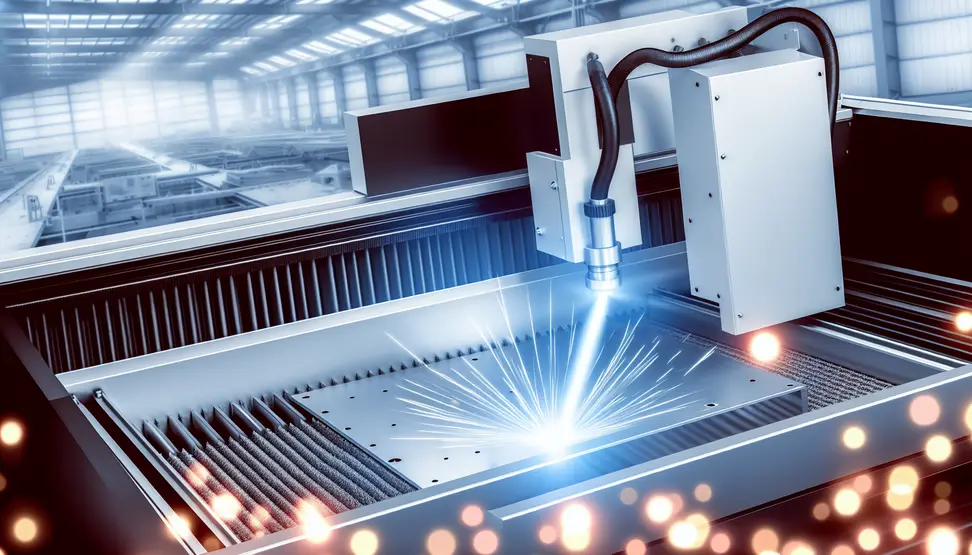
Laser cutting isn’t just driving industrial efficiency—it’s spurring economic growth and societal progress. The numbers speak volumes: from a market value of USD 6.8 billion in 2024 to an anticipated USD 11.0 billion by 2029, laser processing is surging. This growth is powered by favorable trade policies and the technology’s tangible advantages.
For businesses, fiber lasers deliver cost advantages through energy efficiency—slashing power consumption by up to 40% compared to older plasma systems. They also reduce material waste and eliminate costly finishing steps, translating to smaller budgets and larger profits. With longer machine lifespans and less maintenance, businesses see lower operational costs and higher productivity.
On an environmental front, laser technology aligns manufacturing with sustainability objectives, reducing scrap waste and energy footprints. In healthcare, its precision enables life-saving medical devices and implants. For consumers, laser cutting supports the design of innovative, high-quality products, while also fortifying supply chains. Ultimately, it’s not just improving processes—it’s creating ripple effects that touch every part of modern life.
Advanced Laser Cutting for Smart Manufacturing
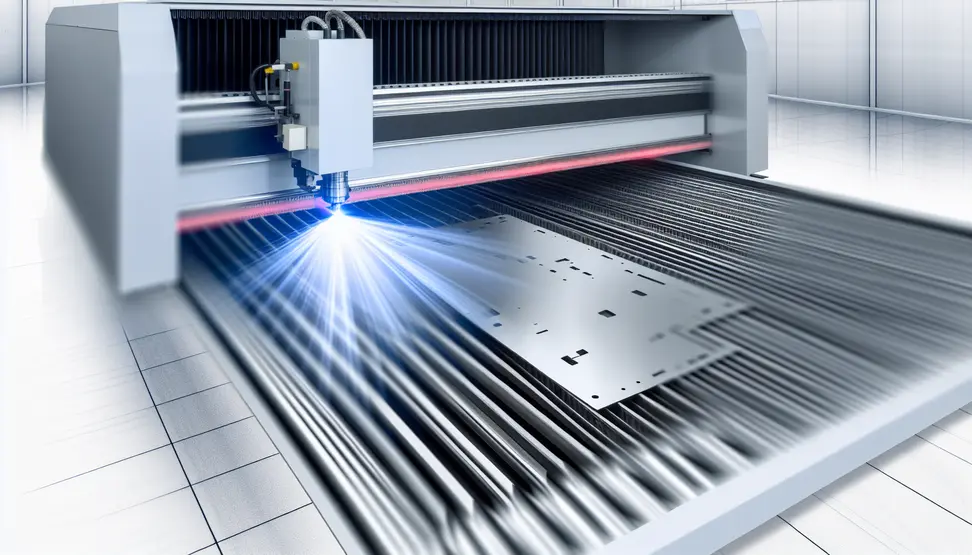
What’s next for laser cutting services? Smarter systems and deeper automation are key trends. Infused with artificial intelligence, today’s machines are the epitome of cognitive manufacturing. Advanced sensors and deep learning capabilities enable systems to identify materials, self-adjust settings, and monitor quality—all in real-time. It means fewer errors and more dynamic adaptability.
This intelligence, paired with full-scale automation, is a game-changer. Next-gen systems optimize nesting strategies, expedite job transitions, and streamline workflows like never before. At its center is fiber laser technology, the perfect tool for handling intricate designs and rapidly reducing lead times. Customer demand for faster, tighter, and more innovative solutions continues to push the envelope, driving the integration of laser systems into emerging sectors like modular construction.
Final thoughts
Laser cutting services have catalyzed a transformation in precision manufacturing, from technological advances to real-world applications. Through economic contributions and environmental benefits, the technology touches far more than factory floors. As smart automation evolves, laser systems will only expand their influence, delivering unparalleled quality and precision to industry leaders and innovators alike.
Ready to elevate your operations with laser marking and cutting? Contact us today to discover tailored solutions that enhance your production’s efficiency and quality.
About us
Baixiang originated from office system furniture and continuously invests in new machines while gradually automating the factory. This commitment allows us to provide clients with cutting-edge laser marking and cutting solutions, enhanced production capabilities, and consistent quality in every project. As we evolve, our focus remains on reliability, innovation, and supporting customers across a wide range of precision manufacturing applications.