目錄大綱
Mirror surface metal cutting isn’t just about slicing through metal—it’s an art form that fuses cutting-edge technology, precision tooling, and keen design strategies to achieve reflective perfection. Whether it’s aerospace engineering or luxury goods craftsmanship, the industries that rely on these flawless finishes demand nothing less than the best. This guide unpacks every critical component—from tools to lasers—to help you master the techniques that deliver impeccable results, every time.
Mastering Precision Tooling for Flawless Mirror Surface Cutting

Mirror-polished metal isn’t just dazzling—it’s functional where clarity and precision are vital. Achieving this requires synergy between advanced machinery, top-tier tools, and meticulous process controls. And, spoiler alert: tooling isn’t something you can cut corners with.
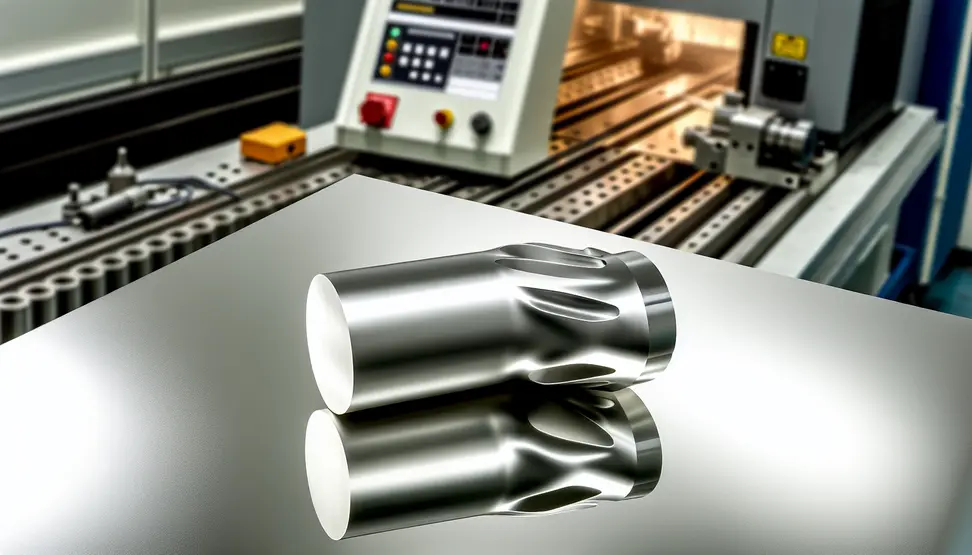
Take diamond tooling, for instance. Polycrystalline Diamond (PCD) stands as the go-to choice for machining non-ferrous metals like aluminum, largely thanks to its pristine edge retention and durability. For projects where reflectiveness is next level—think luxury goods or aerospace—Monocrystalline Diamond (MCD) tools are unrivaled. Sure, these tools cost more and are more delicate, but the mirror-finish results? Totally worth it.
But what about tougher materials like steel? You’re looking at solid carbide tools coupled with optimized cutting paradigms. High-speed machining paired with fine-tuned systems (like through-spindle coolant) prevents imperfections. Add Electrical Discharge Machining (EDM) into the mix when tackling hard, complex geometries, and you’re set to achieve unparalleled surface smoothness.
The bottom line? Tools lay the foundation, but machine stability and intelligent programming close the deal. To go even deeper into this tech world, check out our guide on precision CNC machining.
Material Properties: Key to Mirror Surface Cutting
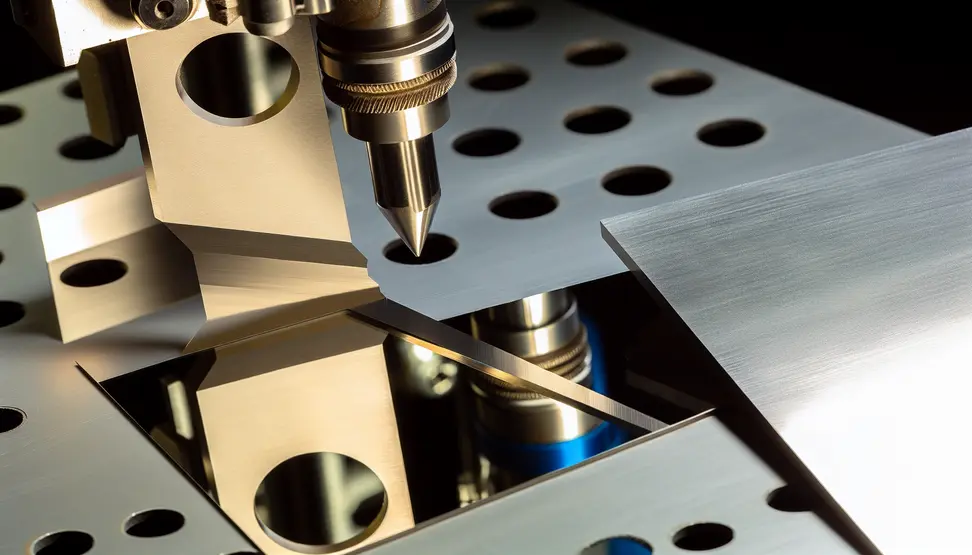
When it comes to mirror surface cutting, it’s not just the tools or machines; understanding your raw materials is half the battle. Traits like reflectivity and thermal conductivity can make or break your results.
Take aluminum, for example—it reflects light like a charm but also presents unique challenges. Fiber lasers work wonders here by avoiding back-reflective issues and ensuring clean finishes, thanks to assist gases like nitrogen or air. And don’t overlook thermal conductivity. Aluminum’s excellent heat dissipation necessitates either slowing down the cut or dialing up the laser power.
More brittle materials—think ceramics—add another wrinkle. Imperfections can heat unevenly during cutting, triggering cracks. Precision, cooling, and low-power lasers are non-negotiables here. The same goes for thicker materials: they demand meticulous energy input, slower feed rates, and a whole lot of patience to get mirror-clear results.
Moral of the story? Every metal has its thing, and tailoring techniques to match it is how pros separate themselves. For a deep dive into one of the most versatile materials, check out aluminum cutting.
Precision Starts with Machine Rigidity and Optimization

Want that glass-like finish? Machine rigidity and parameter optimization are your secret weapons.
A solid machine base—a polymer concrete body for high-end setups—is essential to dampen those buzz-killing vibrations and chatter. Without rigidity, even the best tools and tightest programming won’t deliver the aesthetic perfection high-precision industries demand. Complementing this is a stellar fixturing system to keep parts locked firmly in place during machining.
Pair this with dialed-in parameter settings, and you’re golden. Lower feed rates (around 1–4% of the tool diameter), shallow cuts, and balanced forces via multi-flute end mills ensure every pass smoothes rather than mars the surface. Cutting speed, too, needs that just-right goldilocks zone—fast enough to maintain efficiency but slow enough to prevent overheating and ruining your sheen.
Got the right system in place? Combine thermal stability and advanced CNC controls, and you’ll unlock unmatched results. Get inspired with advanced tooling guidance from this in-depth discussion.
Mastering Laser Precision and Beam Control
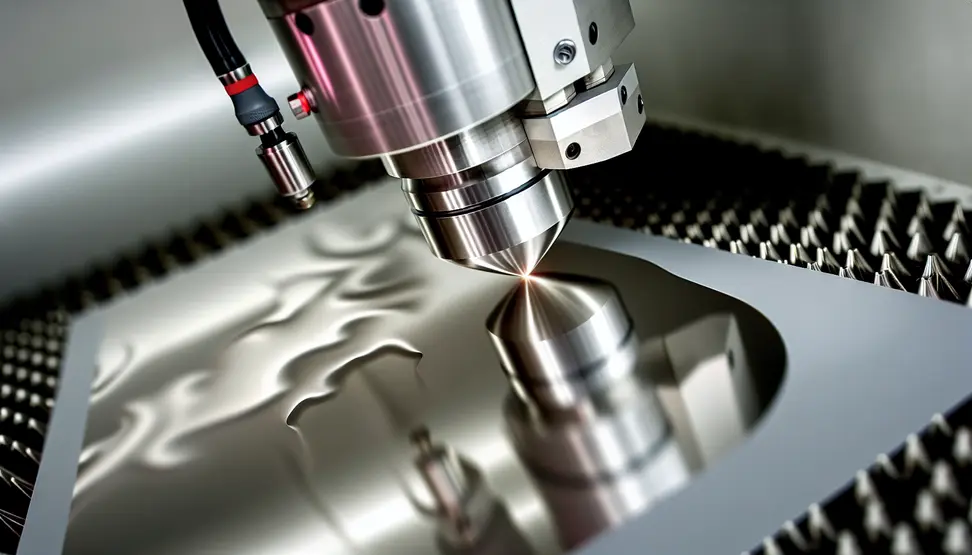
So, how do lasers make metal glow like a mirror? It all comes down to beam accuracy and thermal dynamics.
Fiber lasers—offering superior absorption thanks to their short wavelength—rule this domain. They prevent thermal distortion while still producing precise cuts. When paired with top-tier optics systems, like high-precision collimating lenses, every millimeter of your material receives perfect energy treatment.
Assist gases are another piece of the reflective puzzle. Nitrogen remains the industry favorite, avoiding oxidation and helping maintain mirror integrity. But be cautious of oxygen—while tempting due to its cutting speed advantage, it creates surface oxides that tarnish the finish.
Here, balance remains the name of the game: tweak laser power, feed rates, and gas pressure, and resistance to vibration-induced imperfections ensures quality alongside safety. For a deep dive into laser techniques, check out this guide.
Final Thoughts
There’s no shortcut to the perfect mirror-finish cut. From robust tools and intelligent parameter setups to advanced laser systems, flawless results are an amalgamation of countless, painstaking details. These innovations allow manufacturers to cater to the highest standards for beauty, quality, and function.
Curious how to implement these strategies for your business? Let’s talk solutions. Have questions or need guidance? Contact us to boost product quality and y efficiency. Together, we’ll achieve manufacturing excellence.
Learn more here: https://en.fiberglass-tubes.com/contact-us/
About Us
Baixiang is crafting the future of laser marking and machinery. With investments in modern technology and a drive for efficiency, we’re passionate about helping you streamline, innovate, and lead your industry.