

目錄大綱
Titanium-coated steel plates represent the pinnacle of marrying durability and corrosion resistance, crucial for thriving in the toughest environments. Whether you’re dealing with aerospace components or marine infrastructure, mastering the fabrication of these composites demands an understanding that blends cutting-edge technology with meticulous craftsmanship. Let’s break down the core of this process—explosive welding, smart material selection, step-by-step fabrication, quality control, and the latest innovations addressing manufacturing challenges—all designed to deliver superior titanium-coated steel plates.
Explosive Welding: Strength Through Detonation

Explosive welding is the secret sauce behind titanium-coated steel plate fabrication. This high-velocity, solid-state process forces a titanium plate onto a steel substrate via a carefully controlled detonation. The result? A metallurgical bond so strong it rivals fusion welding, but without melting either metal. This means no unwanted phase changes or grain coarsening—preserving the mechanical and corrosion-resistant properties crucial to these composites.
By overcoming the daunting difference in physical properties, including those pesky differing thermal expansion rates between titanium and steel, explosive welding yields large, continuous bond surfaces that withstand the harshest conditions—from chemical reactors to offshore platforms and nuclear components.
Modern advancements blend post-weld rolling with explosive welding, refining the interface by enhancing dimensional stability and grain structure while minimizing defects like voids or delamination. Real-time monitoring and adaptive controls, increasingly powered by AI, make sure every plate leaving the production line meets exacting standards. For a broader look at metal joining methods, check out this detailed metal welding overview.
Explosive Welding: Strength Through Detonation
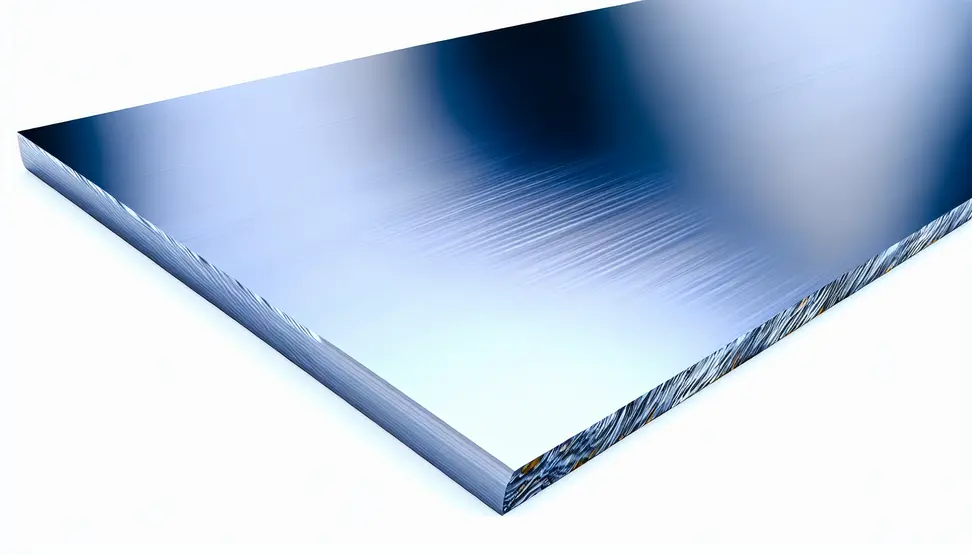
The synergy between titanium cladding and a steel core is no accident—it’s carefully engineered. Pure or alloyed titanium forms the corrosion-resistant cladding that keeps these plates thriving in aggressive environments. Grade 2 titanium offers superb corrosion resistance and ductility, perfect for forming and extensive shaping. When higher tensile strength is non-negotiable—think aerospace-grade loads—Grade 5 Ti-6Al-4V alloy steps in, boasting triple the strength at some cost to workability.
Steel substrates, selected from carbon steels or stainless varieties, provide that essential structural backbone. Carbon steel offers strength and affordability, while stainless steel shines in corrosive or marine environments. Tailoring the steel and titanium grades to the specific mechanical demands and environmental exposures is key—ensuring that each plate strikes the ideal balance between strength, durability, and cost-efficiency. To delve deeper into metal forming and cutting intricacies, visit this thorough sheet metal resource.
Step-by-Step Precision & Quality Assurance

Every stage of fabrication counts. It starts with immaculate surface preparation—cleaning both titanium and steel to microscopic perfection, because even the smallest contaminant risks a weak bond.
Next, cladding applies, whether through explosive welding, mechanical methods, or cutting-edge techniques like electroforming. Titanium foil can be as thin as 0.1 mm, demanding precision to guarantee uniform coverage and optimal adhesion.
The forming phase then shapes the composite plates with absolute dimensional accuracy—whether by stamping, punching, or advanced laser cutting. Final finishing polishes surfaces, trims edges, and applies protective coatings.
Quality control is relentless. Non-destructive ultrasonic testing uncovers hidden defects, while adhesion tests and thickness measurements ensure the titanium layer performs flawlessly. Corrosion resistance is verified to confirm these plates hold strong even under extraordinary conditions.
Innovation & Challenges in Fabrication
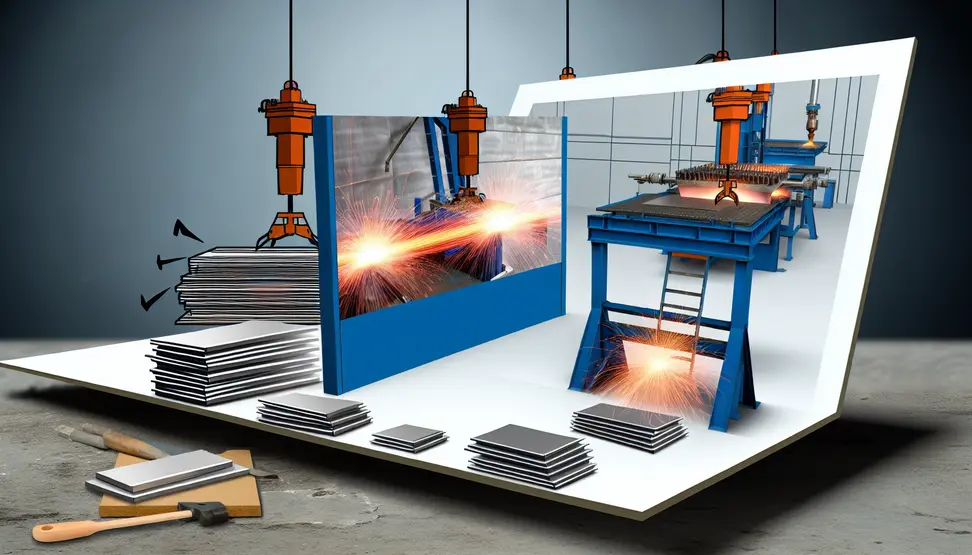
Facing engineering hurdles head-on, manufacturers must tame titanium’s poor thermal conductivity and tendency for work hardening, which accelerates tool wear during machining. Specialized tooling and refined process controls, powered by deep metal processing expertise (explore advanced metal processing), are essential here.
Residual stresses, driven by material mismatches and thermal expansion differences, can cause warping or delamination. Explosive welding’s low-temperature impact and post-weld rolling innovations help mitigate these issues, stabilizing the bond.
Interface perfection is critical—minor flaws threaten corrosion resistance and mechanical strength. So real-time adaptive bonding controls and AI-assisted monitoring are game-changers, minimizing defects and ensuring consistent, flawless bonds.
Emerging trends include multi-layered composites integrating copper or nickel for tailored properties and a focus on sustainability through eco-efficient manufacturing and energy recovery systems.
Final Thoughts
Titanium-coated steel plate fabrication isn’t just about combining two metals—it’s about fusing top-tier metallurgical expertise with smart material choices and innovative processes to create composites that stand the test of extreme conditions with unmatched strength and corrosion resistance.
Whether aerospace, marine, or chemical processing, these plates deliver the endurance and reliability that critical applications demand.
Ready to elevate your manufacturing game? Reach out to explore how our precision laser marking machines can boost your efficiency and product quality. Let’s collaborate to achieve manufacturing excellence.
Learn more: https://en.fiberglass-tubes.com/contact-us/
About Us
Baixiang evolved from office system furniture to cutting-edge laser marking and fabrication solutions through continuous investment in automation and modern machinery. Our mission is to provide unrivaled precision and efficiency for diverse industrial applications, backed by reliable support and innovative technology.